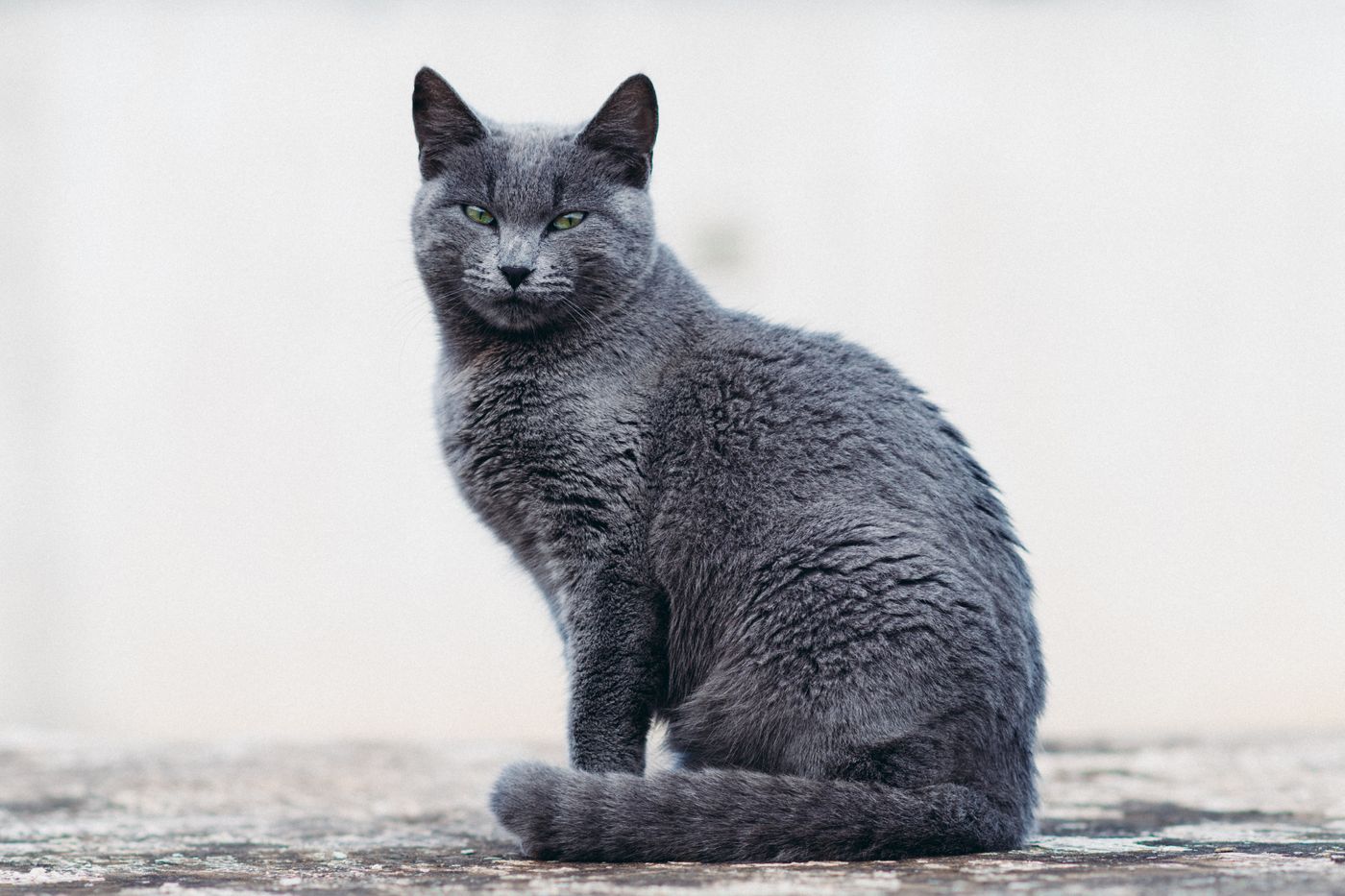
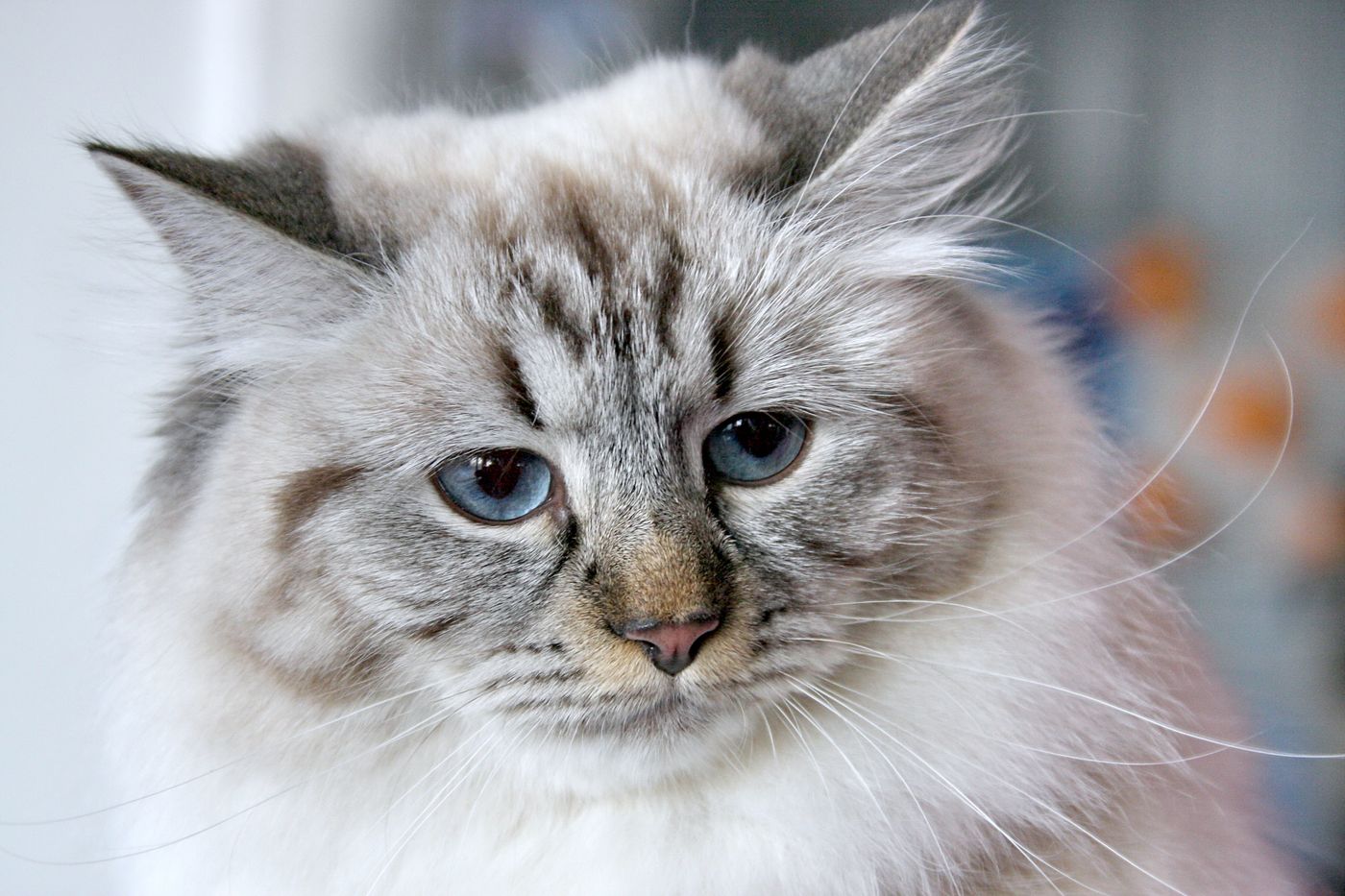
Short answer: both breeds carry a reputation for being easier on allergy sufferers than the average cat, but the two reputations are not built the same way. The Siberian's lower-allergen profile has real, published research behind it. The Russian Blue's is a long-standing observation from owners and breeders that has not been studied the same way. Longer answer: the two breeds also differ a lot outside the allergy question, in size, coat, and how they act around people who aren't you, so the right pick depends on more than Fel d 1 alone. Here is the honest side by side, including a section on what this site's own allergen page already admits about the gap between them.
Our take
The short version
Pick a Russian Blue if you want a quieter, more reserved cat, a medium-sized breed that reaches full size within a year or two, and don't need peer-reviewed research behind the allergy question, a strong owner-reported reputation is enough for you. Pick a Siberian if the allergen research itself matters to your decision, you want a bigger, more dog-like, sociable cat, and you don't mind a heavier coat and a longer wait for your cat to reach full adult size. Both are honestly good choices for someone managing mild to moderate cat allergies. Neither is allergy-free, and the only way to know how your own body reacts to a specific cat is to spend real time with one before you commit.
The numbers and the temperament, together
Eleven points that actually matter when you're choosing between the two, not just breed-standard trivia.
Swipe sideways on a phone to see the Siberian column.
| What matters | Russian Blue | Siberian |
|---|
| Weight | 7 to 12 lbs (males 10-12, females 7-10) | Males 12 to 18+ lbs, females 8 to 12 lbs |
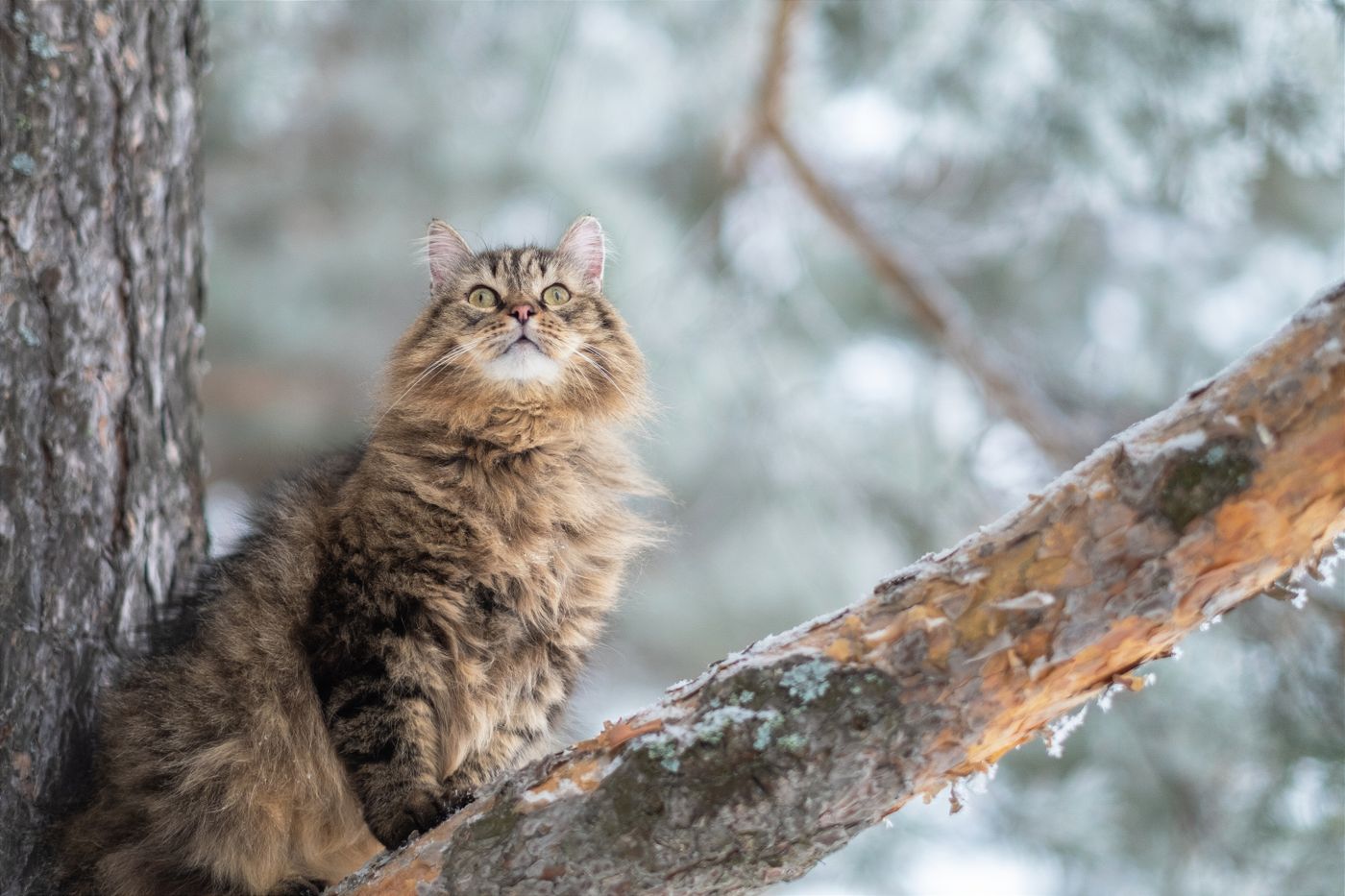
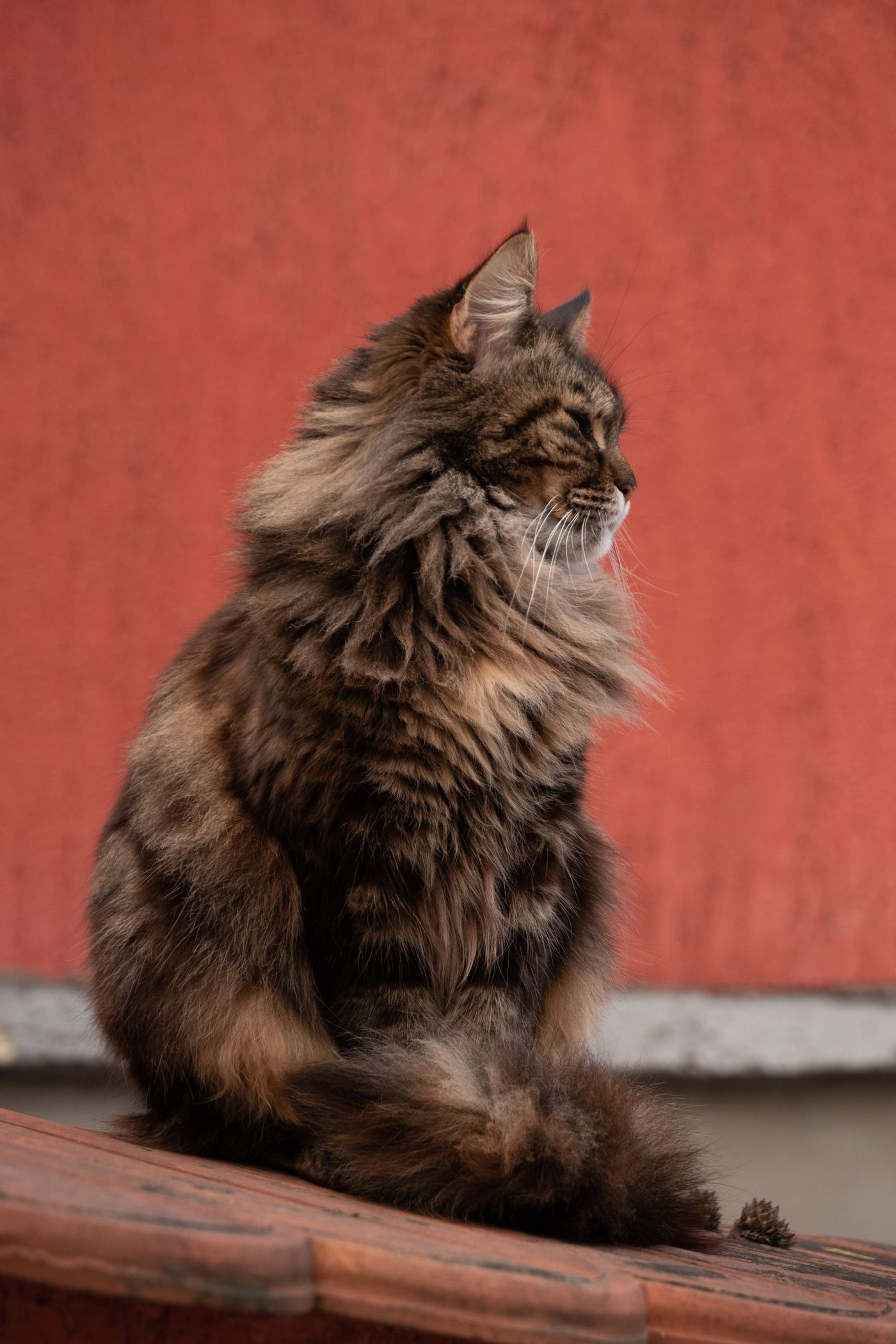
| Coat | Dense, short double coat, plush rather than fluffy | Thick triple coat: guard hairs, awn hair, and a dense undercoat |
| Grooming | One brushing a week, heavier shed twice a year | Two brushings a week, a much bigger seasonal coat blow |
| Fel d 1 / allergen research | Owner-and-breeder reputation, thinner independent evidence | Multiple published studies; roughly 50-75% of Siberians test very low or undetectable in some research |
| Temperament | Reserved with strangers, deeply devoted once trust is built | Outgoing and dog-like: greets at the door, follows you room to room |
| With new people | Slow to warm up, needs time and consistency | Generally confident and social from the start |
| Time to full size | Around 1 to 2 years | 4 to 5 years, one of the slowest-maturing cat breeds |
| Average lifespan | 15 to 20 years | 12 to 15 years |
| Typical price | $1,000 to $2,500 (this site's own listed range) | $1,500 to $2,500 at siberiancatkittens.com; $1,200-$4,000+ nationally depending on region and coat color |
| Breed recognition | Championship status, CFA and TICA | TICA 1996, CFA 1999 |
| Origin | Arkhangelsk, Russia | A natural landrace across Russia, first written breed standard 1987 |
Pick a Russian Blue if
- You want a quieter, more reserved cat that bonds hard to its people over time.
- A medium-sized cat that reaches full size within a year or two fits your household better than a slow-maturing giant.
- A weekly brushing is about all the grooming time you want to give.
- A strong owner-reported low-allergen reputation is enough, even without heavy independent research behind it.
Pick a Siberian if
- The strength of the allergen research itself matters to your decision, not just the reputation.
- You want a bigger, more dog-like cat that greets you at the door and follows you around.
- You don't mind brushing twice a week and a real seasonal coat blow.
- You're fine waiting four to five years for your cat to reach its full adult size.
What a Siberian actually is
If the only Siberian you've seen is a fluffy face on a screen, the breed's actual background explains a lot about its coat and its confidence around people.
A thousand years in the Russian cold
The Siberian is a natural landrace, not a designed breed, that developed in Russia's harsh climate over roughly a thousand years, with references to cats matching its description turning up in Russian folk tales as far back as the 13th century. It wasn't formally standardized until 1987 in St. Petersburg, exported to the US in 1990, and given championship status by TICA in 1996 and CFA in 1999, decades of documented lineage compressed into a single generation of American breeders.
Built for weather, wired for company
That triple coat, guard hairs over an awn layer over a dense undercoat, evolved to shed cold and wet, not to look impressive in photos, though it does that too. The breed's dog-like sociability is just as real: Siberians are widely reported to fetch, fetch objects, greet owners at the door, and dislike being left alone for long stretches, closer to a retriever's personality than a typical reserved housecat.
The honest part
Where the Siberian genuinely wins
This site's own allergen page already says it plainly: "compared to breeds like the Siberian, which has more independent research behind its lower Fel d 1 output, the data specific to Russian Blues is more anecdotal than proven." That's the most important honest concession on this whole page, and it's worth spelling out further rather than burying it.
- The allergen research is real and published. Multiple independent studies and breeder-submitted sample sets have measured Siberian Fel d 1 output directly, with some research finding roughly half to three-quarters of Siberians test very low or undetectable. The Russian Blue's reputation, by contrast, comes mostly from decades of owner and breeder observation, not comparable published measurement.
- It's the bigger, more dog-like cat, if that's what you want. A male Siberian can outweigh a male Russian Blue by 6 pounds or more, and its outgoing, people-following temperament is a genuinely different animal from the Russian Blue's slow-to-warm-up reserve, not better or worse, just a real difference worth knowing before you choose.
- Its lineage is easier to trace on paper. The Siberian's 1987 breed standard and 1990s championship recognition dates are recent and well documented, giving breeders and registries a clear, uncontested record to check a cattery's lines against.
Russian Blue vs Siberian, quick answers
Is a Russian Blue or a Siberian cat better for allergies?
Neither is allergy-free, and honestly, the Siberian has the stronger case on paper. Several independent studies and breeder-submitted samples have found Siberians produce meaningfully less Fel d 1 than most breeds, with some research putting 50 to 75% of Siberians at very low or undetectable levels. The Russian Blue has a long-standing reputation for the same thing, but the data behind it is more anecdotal than proven. If allergies are the deciding factor, that research gap is worth knowing before you fall for a photo of either breed.
Which is bigger, a Russian Blue or a Siberian?
The Siberian, by a wide margin. A male Siberian can reach 12 to 18 pounds, sometimes more, while a male Russian Blue typically tops out around 10 to 12 pounds. Siberians are also slow to mature, taking four to five years to reach full size, while a Russian Blue is usually full-grown within a year or two.
Which breed needs more grooming, Russian Blue or Siberian?
The Siberian's triple coat needs more work. A weekly brush is plenty for a Russian Blue's short double coat, while a Siberian generally wants brushing twice a week, more during its heavier seasonal coat blow. Neither breed mats easily day to day, but the Siberian is carrying a lot more coat to manage.
Which is friendlier with strangers, a Russian Blue or a Siberian?
The Siberian, typically. Russian Blues are famously reserved with new people and warm up slowly, though they bond hard once they trust you. Siberians have a reputation as the more dog-like of the two: greeting people at the door, following you room to room, and generally more outgoing with visitors from the start.
Which lives longer, a Russian Blue or a Siberian?
Russian Blues are commonly cited at 15 to 20 years, and Siberians at 12 to 15 years, per CFA and TICA breed profiles. Both numbers are breed averages, not guarantees, and individual health, genetics, and care matter more than the gap between them.