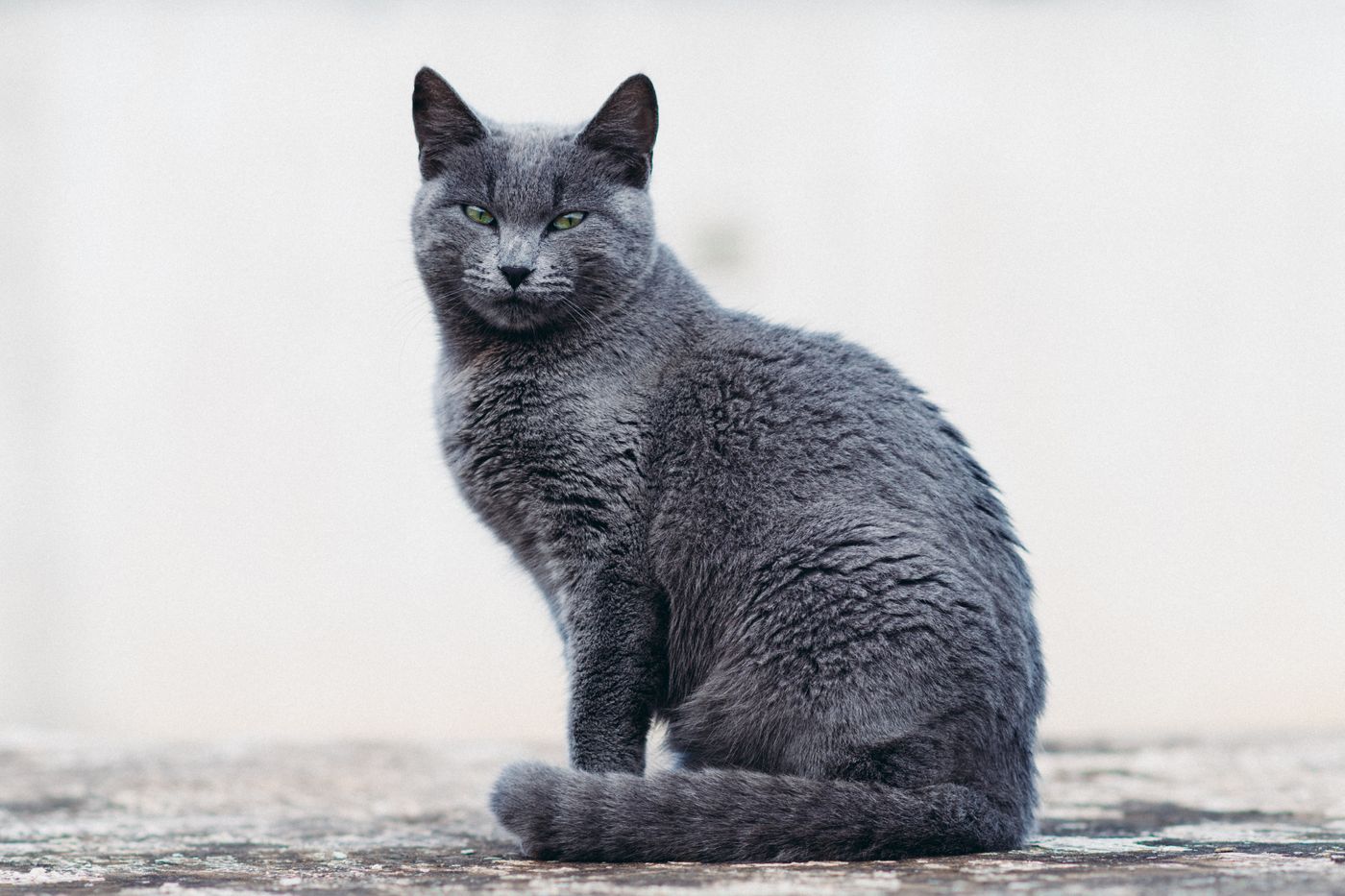
Living with a Russian Blue
What day to day actually looks like, coat to bowl to vet visits.
What day to day actually looks like, coat to bowl to vet visits.
The everyday version
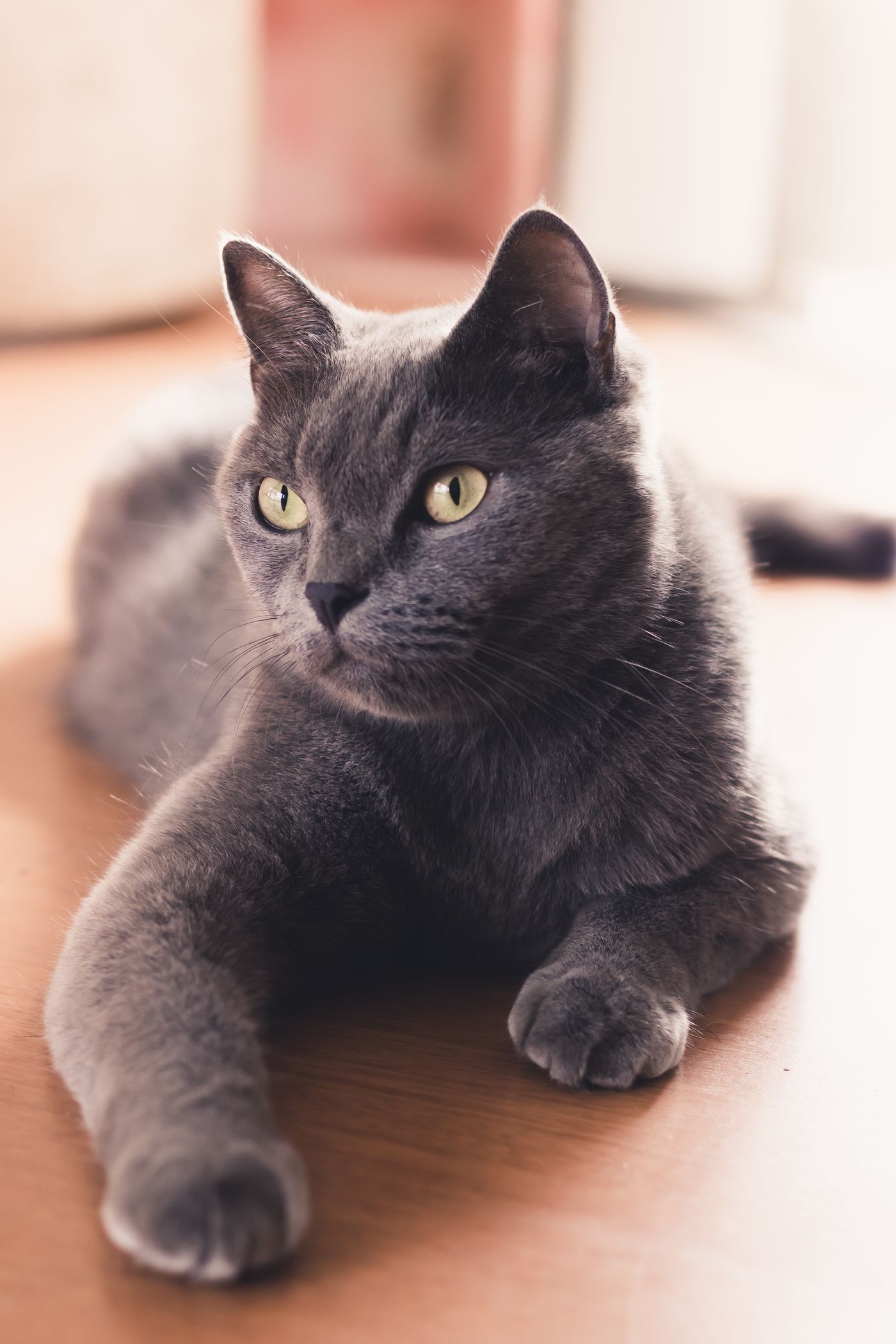
That shimmering coat looks like work. In practice, a Russian Blue is one of the easiest breeds to keep looking great, and one of the calmest to live with.
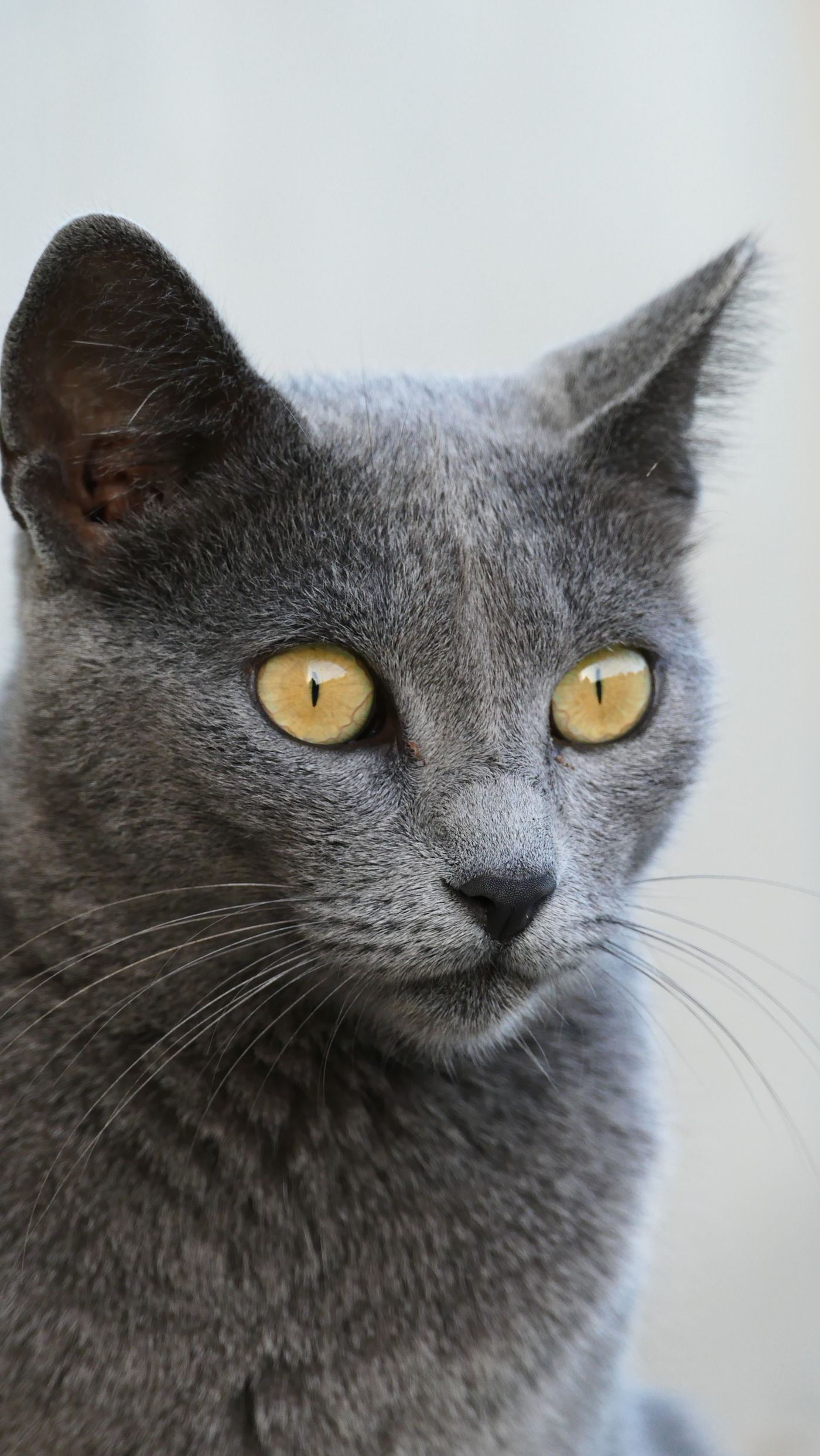
One brushing session a week is plenty most of the year. Because Russian Blues have a dense double coat rather than a long single layer, it resists matting and stays clean with minimal effort.
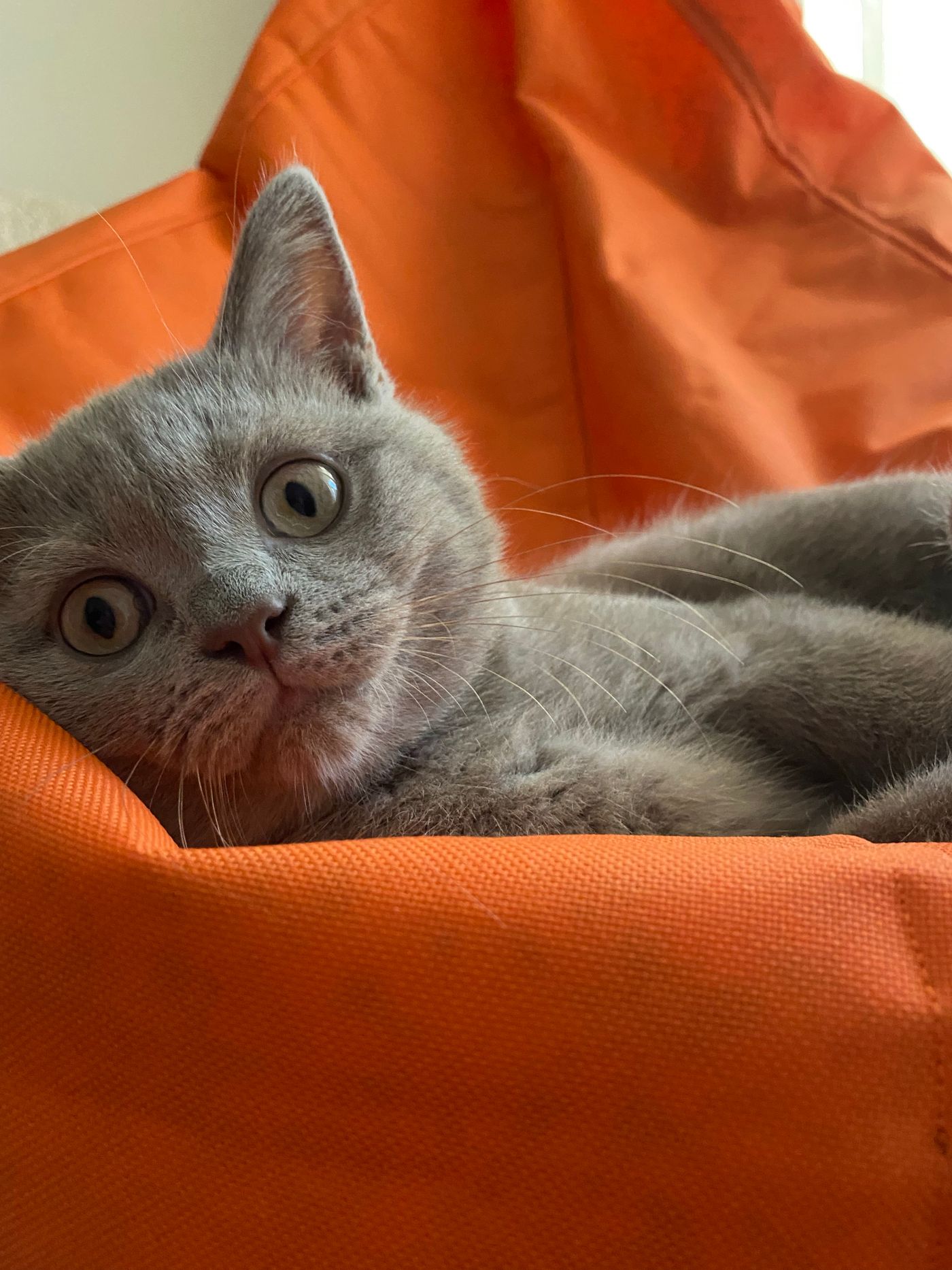
Russian Blues are intelligent, athletic, and enjoy routine more than chaos. They warm up slowly to new toys and people, but once comfortable they are playful and love interactive games with a predictable rhythm.
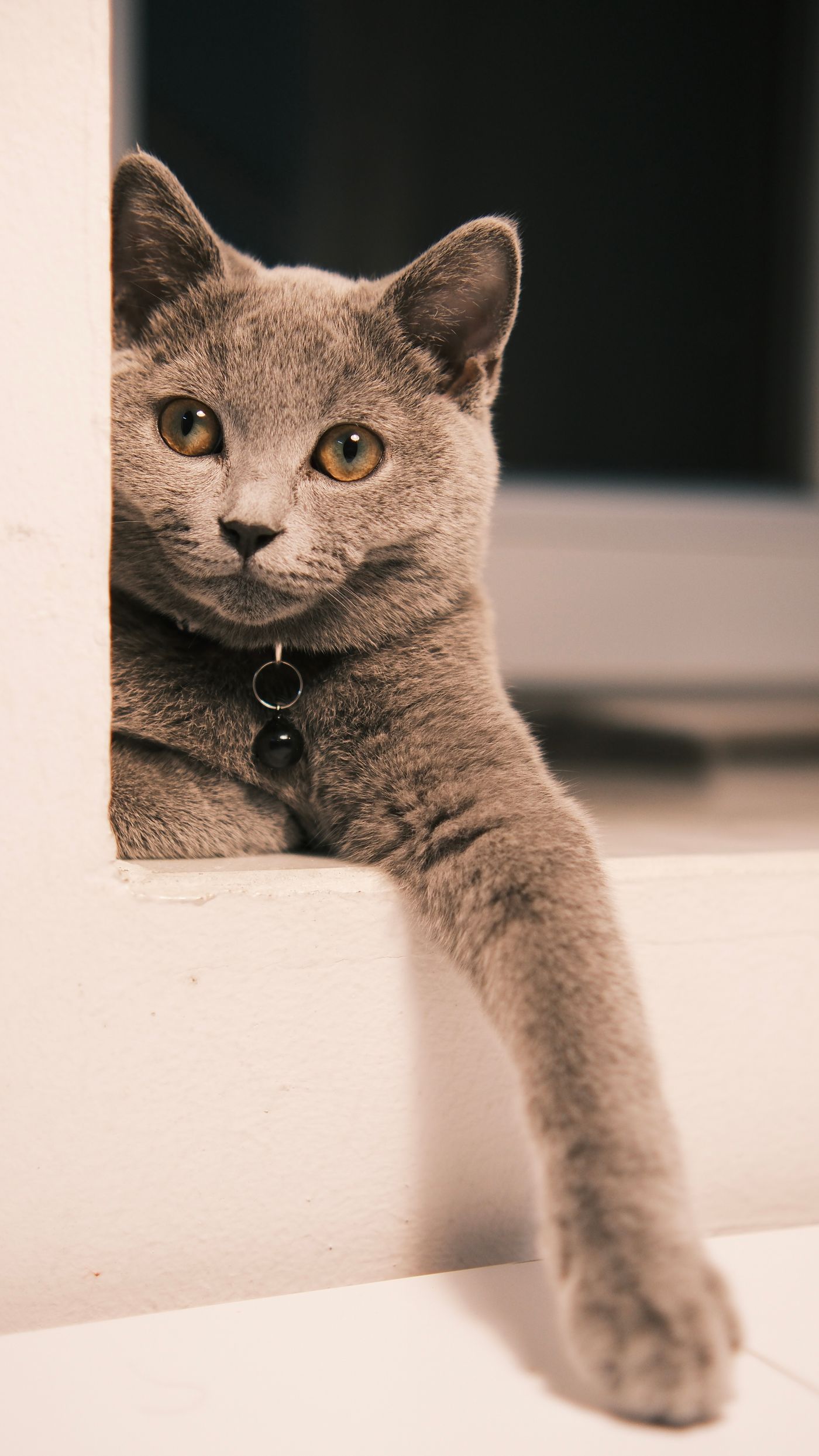
A high-quality diet built around real animal protein supports the coat and lean, muscular build typical of the breed. Russian Blues have a reputation for enjoying food a bit too much, so portion control matters more than the food brand.
Beyond standard vaccinations and annual exams, the Russian Blue is a generally hardy breed without major breed-specific health concerns, though routine wellness screening still matters as your cat ages. Their reserved nature means vet visits can be stressful, so a calm carrier routine at home helps.
See available Russian Blue kittens from health-tested lines, ready for a home like yours.
See Available Kittens